What is an MCP server?
Published: October 15, 2026.
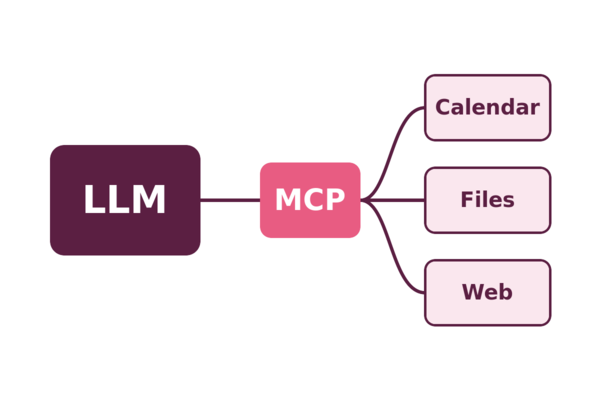
Model Context Protocol (MCP) is quietly becoming one of the most useful ideas in AI tooling. Here, we describe what MCP is, why it matters, and how to build an MCP server yourself.
Published: October 15, 2026.
Model Context Protocol (MCP) is quietly becoming one of the most useful ideas in AI tooling. Here, we describe what MCP is, why it matters, and how to build an MCP server yourself.
Published: October 6, 2026.
The call for speakers for AI in Production 2027 is open until 29 January. Here is what the programme committee looks for in a talk, and how to tell whether yours fits.
Published: August 12, 2026.
AI in Production 2027 takes place at The Catalyst in Newcastle on 10 and 11 June. Registration is open and the call for speakers closes on 29 January.
Published: June 25, 2026.
Jumping Rivers recently hosted the conference "AI In Production 2026" where experts across software engineering and data science discussed how to actually use AI in software products and data projects. The talks also touched on security, regulatory matters, AI usage across different sectors and how AI has impacted the process of software development. Here we summarise the conference talks. "AI In Production 2027" will be held 10-11 June 2027.
Published: May 28, 2026.
AI in Production takes place on 4–5 June at The Catalyst in Newcastle. Here is the full lineup: workshops, lightning talks, keynotes, and conference sessions across the Engineering and Machine Learning streams.
Published: May 28, 2026.
Some thoughts on learning to use Claude to write Bash shell scripts and improve my productivity.
Published: April 14, 2026.
Learn how to work with Large Language Models programmatically in R and Python, from sending API requests to generating structured outputs and summarising content.

Published: April 1, 2026.
Meet the sponsors making AI in Production 2026 possible. The conference takes place on 4–5 June in Newcastle upon Tyne.
Published: March 11, 2026.
Explore the hands-on workshops taking place on Day 1 of AI in Production 2026 in Newcastle, covering LLM integration, Databricks architecture, Shiny apps with AI, and self-hosted LLM infrastructure.
Published: January 22, 2026.
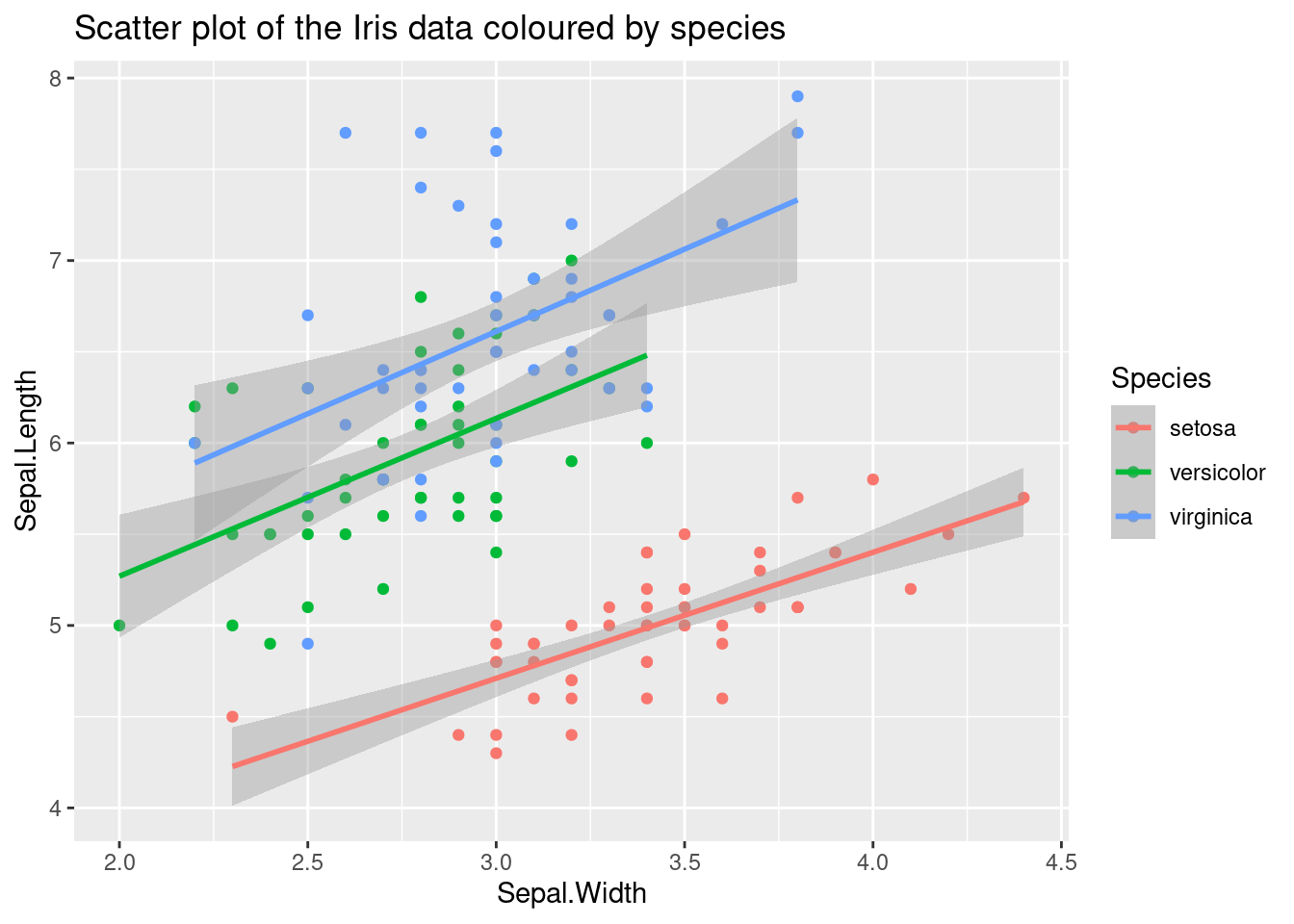
Ever had trouble adding alt text to your dynamic plots and tables within Shiny apps? That's where ellmer comes in, allowing us to query LLM APIs and generate suitable alt text.
Published: January 20, 2026.
Submitting a talk is not about promotion. It is a way to reflect on your work, invite useful feedback, and turn hard-won experience into something others can learn from.
Published: January 8, 2026.
Learn about retrieval-augmented generation (RAG) workflows for large language models. This blog provides a hands-on introduction, including example code for creating a working knowledge store using open source packages in R.

Published: December 2, 2025.
A simple guide to help first time speakers write clear, useful conference abstracts that reviewers can understand and audiences can benefit from.
Published: November 19, 2025.
Registration is open for the first AI in Production conference, taking place in Newcastle Upon Tyne on 4 and 5 June 2026.
Published: August 14, 2025.
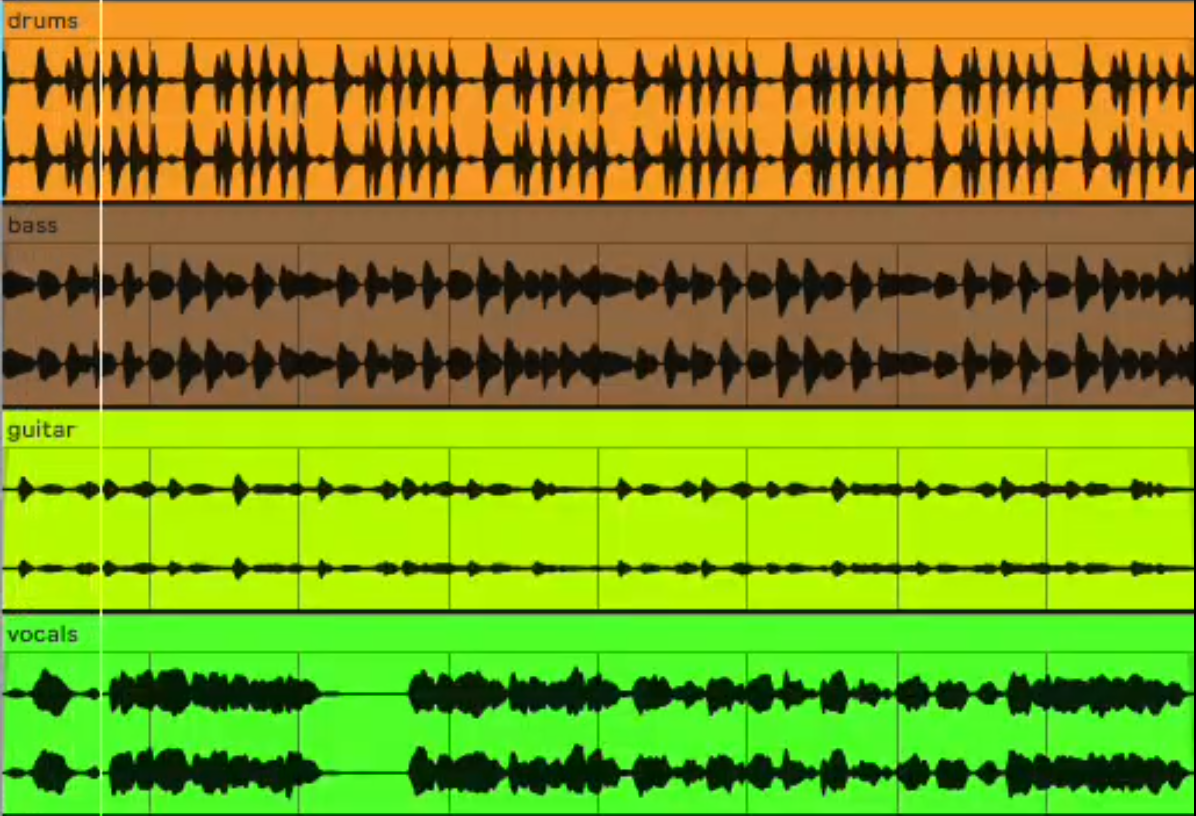
For quite some time, AI had kept it's grubby little hands out of the music production world. Now, a good percentage of the plugins (a plugin is a piece of software you can "plug in" to an audio track to add effects or generate audio) I see are advertised as "using AI". From reverb removers (yes, that's right, you can now remove the reverb from an audio recording), to EQ analysers. Today we'll focus on stem separation.